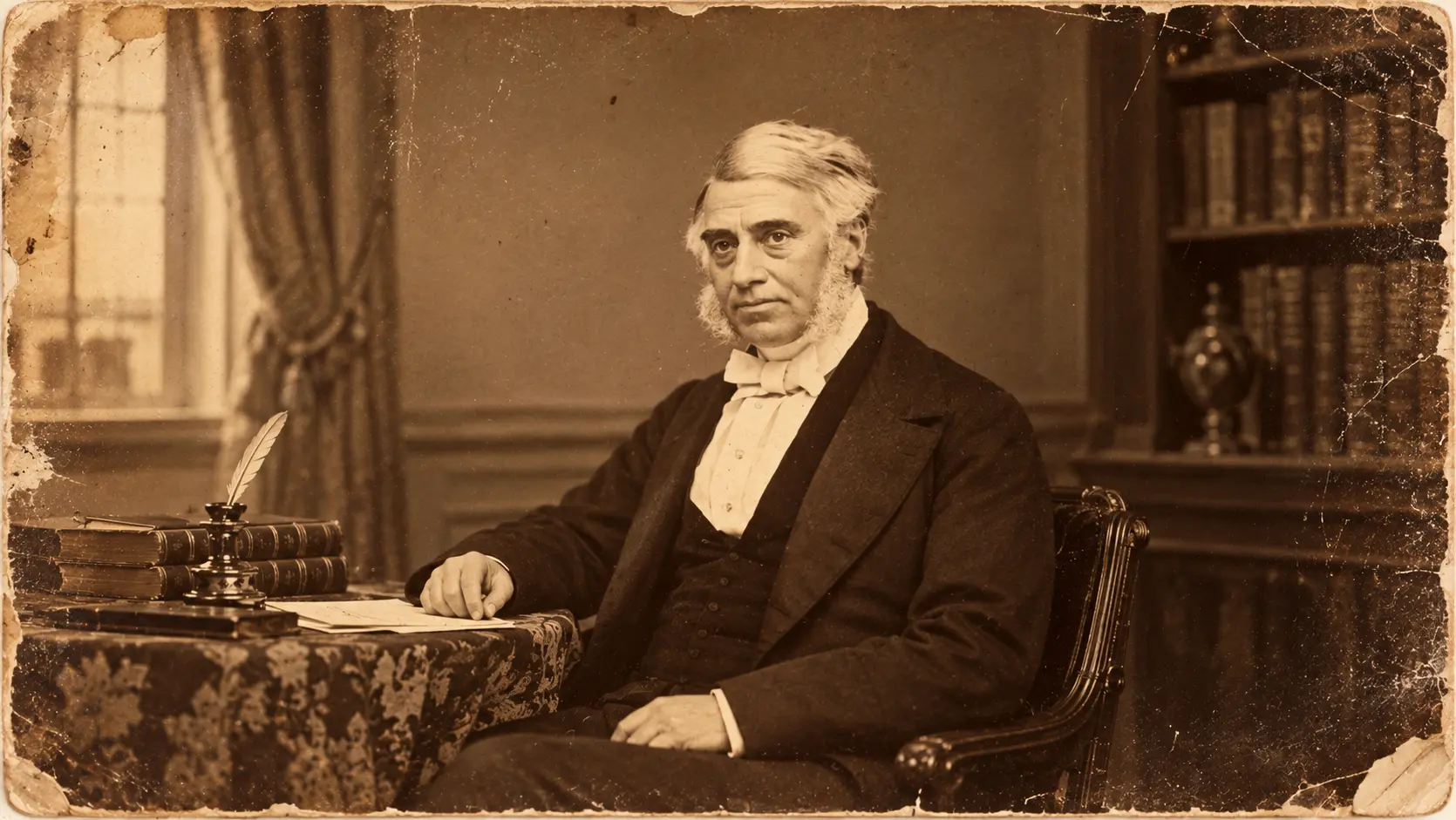
A Confessing Sinner, and a Forgiving God
Indien wij zeggen, dat wij geen zonde hebben, zo verleiden wij ons zelven, en de waarheid is in ons niet. Indien wij onze zonden belijden, Hij is getrouw en rechtvaardig, dat Hij ons de zonden ver geve, en ons reinige van alle ongerechtigheid. 1 Joh. 1:8,9
Van de volmaaktheid in Christus staat de Schrift vol: een volmaaktheid in de mens kent de Schrift niet. Het ganse getuigenis Gods in Zijn Woord is een getuigenis van volmaaktheid in Christus. Ieder gedeelte van de Schrift, dat spreekt van Zijn Godheid, verkondigt Zijn volmaaktheid: want wat is er anders dan volmaaktheid in de Godheid En ieder tekstgedeelte, dat van Zijn mensheid spreekt, verkondigt Zijn volmaaktheid: want indien Hij niet een volmaakte menselijke natuur zou hebben gehad, dan zou Hij die natuur niet ten offer hebben kunnen brengen voor de zonde. Als het Lam Gods, zonder vlek, of rimpel, of iets dergelijks, is Hij “heilig, onnozel, onbesmet, afgescheiden van de zondaren, en hoger dan de hemelen geworden.” (Hebr. 7:26) Zo er enige volmaaktheid in de Kerk is, dan wordt deze slechts gevonden in Christus: doordat ze een eeuwige en levende vereniging met Hem bezit. Maar wat aangaat de mens, dat gevallen schepsel, spreekt het ganse getuigenis van Gods Woord van de diepte zijner afvalligheid. De Schrift verklaart op nadrukkelijke wijze: ”Er is niemand rechtvaardig, ook niet één.
Er is niemand, die verstandig is, er is niemand, die God zoekt, allen zijn ze afgeweken, te zamen zijn zij onnut geworden: er is niemand, die goed doet, er is ook niet tot één toe.” (Rom. 3:10-12) ’’Arglistig is het hart, meer dan enig ding, ja dodelijk is het.” (Jer. 17:9) En, opdat wij ons niet zouden voorstellen, dat, wanneer de gezegende Geest een mens had wedergeboren, en bezit van hem had genomen, zijn lichaam tot Zijn tempel makende, er dan enige volmaaktheid in zijn hart zou worden gevonden, stelt de Schrift ons het afschuwelijke vallen, en de treurige afkeringen voor ogen van Gods allerhoogst begenadigde gelovigen: Noach, Lot, Abraham, Mozes, David, en Salomo. Deze vlekken staan opgetekend tegen Gods gelovigen bij uitstek, om dat verkeerde begrip, dat er zoiets als volmaaktheid in het schepsel is, neder te werpen. En nochtans zijn er van dezulken, die zich koesteren in de dwaze droom der menselijke volmaaktheid. Er zijn er, die zich er zelfs op beroemen, dat zij tot de volmaaktheid zijn gekomen. En ongetwijfeld waren die er in de dagen van Johannes. In zijn tijd waren er hovaardige, onwetende, blinde, misleide ongelukkigen, die zeiden hun hart van alle boosheid te hebben gereinigd, dat bij hen de volmaaktheid was, en dat er in hen geen zonde meer werd gevonden. Sommigen van dezulken waren farizeeën, volkomen onkundig van de eisen van de heilige Wet Gods, volkomen onbekend met de diepte van ’s mensen val.
En weer anderen waren dorre dogmatici, die veel over Christus konden spreken: maar die, niets kennende van de werkingen der verdorvenheid in hun eigen natuur, al het opwellen en het zieden van de verdorven fontein van binnen, voorbij zagen: en die, omdat zij lazen van de volmaaktheid van de Kerk in Christus, aanspraak maakten op een zondeloze volmaaktheid voor zichzelf. Het zijn deze personen, welke Johannes deze zware slag toebrengt: het is tegen degenen, die aanspraak maken op deze volmaaktheid, dat hij zijn scherp zwaard trekt, en ze velt met deze verpletterende slag: ’’Indien wij zeggen, dat wij geen zonde hebben, zo verleiden wij ons zelven, en de waarheid is in ons niet.” Spreek over uw christelijkheid, praat over uw godsdienst, heb het over uw standpunt, en spreek: ”ik heb geen zonde!” dan verleidt u zichzelf, zo verklaart Johannes stoutmoedig: dus verre van te zijn, hetgeen u denkt te zijn, een volmaakt christen, is zelfs de waarheid niet in u: u bent niets anders, dan een persoon, die zich heeft verleid, op een afschuwelijke wijze heeft verleid. Doch met de andere hand voert hij troost aan voor het volk van God, dat bekommerd is vanwege hun inwendige schuld en zonde. Aldus, terwijl hij aan de ene zijde, volmaaktheidsdrijver, wettisch of evangelisch, neerhouwt, wekt hij aan de andere zijde de ellendige, veroordeelde, moedeloze gelovige op, die terneergebogen is vanwege een gevoel zijner schuld en schande: en het rijke, opwekkende middel der Evangelie-vertroosting verklarende, spreekt hij: ’’Indien wij onze zonden belijden, Hij is getrouw en rechtvaardig, dat Hij ons de zonden vergeve, en ons reinige van alle ongerechtigheid.” Dit zullen dus vanavond, met Gods zegen, de beide hoofdpunten zijn van mijn onderwerp.
I. De verklaring van Johannes: ’’Indien wij zeggen, dat wij geen zonde hebben, zo verleiden wij ons zelven, en de waarheid is in ons niet.”
En:
II. Die vertroostende hartsterking voor ellendige, terneer gebogen schuldige schepselen – ”Indien wij onze zonden belijden, Hij is getrouw en rechtvaardig, dat Hij ons de zonden vergeve, en ons reinige van alle ongerechtigheid.”
I. De mens, in de staat van nature, of hij nu in de goddeloosheid leeft, of krachtens een belijdenis, kent niets van het wezenlijke karakter der zonde. God is voorwaar niet zonder getuige gebleven in het menselijk hart. Daar, waar deze niet is toegeschroeid als met een brandijzer, getuigt de natuurlijke consciëntie tegen de zonde. Maar de verborgen natuur, de afschuwelijke diepten, de listigheid, de werkingen, de bewegingen, de begeerten, de lusten ervan: de hoogten, tot welke deze opklimt, en de diepten, waarin deze wegzinkt – niemand is aldus wezenlijk en bevindelijk met de zonde bekend, dan die mens in wiens hart het licht heeft geschenen, en in wiens consciëntie het leven is gekomen. Van nature ligt er een deksel over het hart van de mens – een deksel van onwetendheid, van misleiding, van ongeloof, en van zelfbedrog: en zo lang als dat ’’deksel in het lezen des Ouden Testaments blijft, zonder ontdekt te worden,” naar de apostel spreekt (2 Cor. 3:14) wordt er niets gezien van de reinheid en volmaaktheid Gods, of van de geestelijkheid en uitgebreidheid van Zijn heilige Wet, en wordt er niets gekend van de diepgaande zondigheid en verdorvenheid van het schepsel.
Maar, wanneer God de Heilige Geest iemand waarlijk en krachtig aanvat: wanneer Hij waarlijk een aanvang maakt met Zijn soevereine genadewerk in de ziel, dan begint Hij met voor het verbaasde oog van de zondaar iets bloot te leggen van de ware natuur der zonde. Ik bedoel niet te zeggen, dat Hij bij de aanvang voor de zondaar de kwaal in haar volle omvang ontdekt: Hij handelt eerder met hem, zoals de verstandige dokter met zijn patiënt handelt. De patiënt komt met een ongeneeslijke kwaal: de dokter ziet in een ogenblik de aard van de kwaal: hij weet, dat de dood zijn hand op hem heeft gelegd, en dat er binnen enkele maanden een einde zal komen aan zijn sterfelijke loopbaan. Doch hij vertelt hem dit niet meteen: hij maakt een aanvang met de zaak te onthullen, zet een ernstig gezicht, zinspeelt tegen hem op zijn toestand: maar bewaart zijn ernstiger waarschuwingen voor een latere gelegenheid, opdat hij hem geleidelijk het schrikwekkende geheim moge vertellen, opdat hij hem langzamerhand moge verklaren, dat hij aan de rand van het graf verkeert en dat de groene zoden zich spoedig boven zijn gebeente zullen sluiten.
Op deze wijze legt de gezegende Geest, in Zijn eerste onderhandelingen met de consciëntie, niet de volle omvang van de kwaal bloot. Weliswaar doet Hij hem gevoelen, dat het ganse hoofd krank en het ganse hart mat is: ontdekt Hij hem de reinheid Gods, de uitgebreidheid en de geestelijkheid van de Wet, en daarmede in overeenstemming een gevoel van ongerechtigheid in zichzelf: brengt Hij de uitwendige overtredingen op zijn consciëntie, en legt er de schuld op van die zonden, welke open liggen voor het oog, en welke de meer in het oog lopende scheuten zijn, die uit de zo diepliggende wortel opkomen.
Maar, na een poos, begint Hij hem in ”de geheelde binnenkameren” te brengen, zoals Hij daar de profeet Ezechiël bracht, en toont hem grotere dingen dan deze. Hij toont hem niet alleen de reusachtige, hoge, verstrekkende scheuten der zonde, doch gelast hem ook nederwaarts te zien, en te aanschouwen, hoe diep de zonde wel in zijn eigen bestaan is geworteld: dat de zonde niet een toevalligheid, niet een vage smet is, welke gemakkelijk kan worden uitgewist: niet iets aan de oppervlakte, zoals een huidaandoening, die door een eenvoudige pleister, of een licht smeersel kan worden genezen. Hij toont hem, dat de zonde zelfs door en door in hem is geworteld: dat deze diepgewortelde kwaal bezit van hem heeft genomen: dat hij een zondaar is tot in het diepst van zijn hart: dat iedere gedachte, ieder woord, iedere daad van ’s mensen algehele bestaan één massa zonde, vuilheid en bezoedeling is.
En wanneer hij probeert, zoals de meeste ontwaakte zondaren dit doen, zichzelf te reinigen, zijn schuld te verminderen, door een paar uitwendige ranken af te kappen: wanneer hij probeert zich te reinigen van de ongerechtigheid, dan zal hem de Geest de betekenis van Jobs woorden leren: ’’Indien ik mij wasse met sneeuwwater, en mijne handen zuivere met zeep. Dan zult Gij mij in de gracht induiken, en mijne klederen zullen van mij gruwen.” (Job 9:30, 31) Totdat Hij hem ten laatste op die plaats brengt, dat hij door en door zondaar is: ja, dat hij de voornaamste der zondaren is: dat iedere boosheid in zijn hart woont, en dat het zaad van iedere misdaad in zijn gevallen natuur huist.
Wanneer iemand hier is gebracht, dan is hij gebracht op de plaats, waar de mond is gestopt: zijn eigengerechtigheid is op een afdoende wijze aan stukken gehakt: zijn hoop door de werken der Wet zalig te worden, is op een volslagen wijze van onder hem weggenomen. Die vergane steunsels, die ijdele stutten zijn door de hand des Geestes van de bezwijkende ziel weggehakt, opdat hij in zichzelf moge vervallen tot één hoop verwarring en ellende.
En, totdat hij hier is gebracht, kan hij waarlijk niets kennen van een zaligheid uit vrije genade, van het overvloediger zijn der genade boven de overvloed van zonde, van de verkiezende liefde Gods, van de plaatsbekleding en borgstelling van Christus, van Zijn verzoenend bloed, Zijn rechtvaardigende gerechtigheid en stervende liefde: niets kan hij kennen van de rijke voorzieningen der almachtige kracht en der eeuwige goedertierenheid, welke zijn opgelegd in de volheid van het Verbondshoofd.
Hij bezit geen oog om te zien, geen oor om te horen, geen hart om te gevoelen, geen armen om een volle Christus een dierbare Christus, de Behouder van de toekomende toorn te omhelzen: Die gestaan heeft op de plaats en erve des zondaars, een volkomen verzoening voor de zonde heeft aangebracht, de Wet heeft vervuld, een eeuwige gerechtigheid heeft aangebracht, en de goddelozen heeft gerechtvaardigd. Hij kan deze dierbare Zaligmaker. Die ”ons geworden is wijsheid van God, en rechtvaardigheid, en heiligmaking, en verlossing,” niet aannemen, totdat hij gevallen en begraven is in de puinhopen van schuld en schaamte.
Welnu, zulk een persoon als deze zal nimmer zeggen: ”ik heb geen zonde.” Iemand, die geleerd is door de Geest, die een levende consciëntie bezit, die de werkingen der Goddelijke vreze gevoelt, die een einde heeft gezien aan alle volmaaktheid, die de uitgebreidheid der Goddelijke Wet kent, durft nimmer de spot drijven met God, durft zich nimmer zo te bedriegen, dat hij zegt: “ik heb geen zonde, ik heb mijn hart gereinigd van ongerechtigheid: er is in mij geen onreinheid meer overgebleven: ik ben in elk opzicht rein.”
Een zodanige vermetele taal als deze kan nimmer uit het hart voortkomen, hetwelk God besneden heeft tot de vreze van Zijn Naam. Niemand kan dergelijke taal uiten, dan dat geslacht, dat rein in zijn ogen is, en van zijn drek niet gewassen is; (Spr. 30:12) of dezulken, die gelijken op die rampzalige, van wie wij lezen: ’’alzo is de weg ener overspelige vrouw: zij eet en wist hare mond, en zegt: ik heb geen ongerechtigheid gewrocht!” (Spr. 30:20) Kunnen wij dan zeggen, dat ”wij geen zonde hebben,” in de gedachten? Is niet iedere gedachte zondig, met uitzondering van de gedachten, die rechtstreeks van God komen? Moet niet al hetgeen uit mijn verontreinigd hart voortkomt, verontreinigd zijn? Wanneer er een fontein is, die zout water voortbrengt, moet dan niet iedere druppel uit die fontein zilt en zout zijn? Wanneer mijn hart in alle opzichten een massa zonde is, dan moet iedere gedachte, welke uit dat hart voortvloeit, grondig met zonde zijn besmet. Daarom kunnen wij niet zeggen: ”ik heb geen zonde,” in dat gevoelen, dat iedere gedachte vol is van zonde. Noch kunnen wij zeggen ”wij hebben geen zonde” in het spreken. Wie spreekt er ooit zonder dat er enige zonde gepaard gaat met hetgeen, waaraan zijn mond uiting geeft? Wij mogen over de dingen der wereld spreken: is de zonde er dan niet mede vermengd? Wij mogen spreken over Goddelijke zaken: gaat de zonde er niet mede gepaard? Wij mogen praten met zondaren, en de zonde is vermengd met ons spreken: wij mogen spreken met gelovigen, en de zonde is met onze woorden vermengd.
Kunnen wij zeggen, dat wij nimmer zondigen met onze werken – wij, die naar een belijdenis hebben geleefd, sommigen tien, sommigen twintig jaar – kunnen wij zeggen, dat wij nimmer met de daad, met onze werken hebben gezondigd? De Heere moge ons bewaard hebben voor het vallen in erg grote en zware zonden: maar wie durft er zeggen (ik durf het niet), dat hij met zijn werken niet heeft gezondigd? Wie heeft niet vlak langs de rand van het kwaad gewandeld, zo hij al niet metterdaad gestruikeld, en erin gevallen is? Wie kan zijn hoofd voor God en Zijn volk opheffen, en spreken: ’’sedert de Heere mijn ziel heeft levendgemaakt, heb ik nooit iets gedaan, waarover ik me schaam”?
Wanneer wij zeggen, dat wij nimmer zodanig hebben gezondigd, dan moet wel worden gevreesd, dat wij onder de veroordeling van Johannes komen: ”zo verleiden wij ons zelven.” Kunnen wij zeggen: dat wij geen trots hebben, wanneer wij gevoelen, dat deze voortdurend werkende is? Kunnen wij zeggen, dat wij geen geveinsdheid bezitten, wanneer deze zich voortdurend openbaar maakt? Kunnen wij zeggen, dat wij geen vermetelheid bezitten, wanneer deze aldoor haar hatelijke kop opsteekt? Kunnen wij zeggen, dat wij niet opstandig zijn, wanneer de geringste beproeving de trotse golven van opstand zal verwekken? Kunnen wij zeggen, dat wij geen gierigheid bezitten, wanneer ons hart vaak uitgaat naar tijdelijke en zinnelijke zaken? Kunnen wij zeggen, dat wij geen gemelijkheid bezitten, wanneer alleen maar een kleinigheid soms ons boze humeur zal opwekken? Kunnen wij zeggen, dat onze ogen niet zondigen, wanneer zij de ongerechtigheid met welhaast iedere blik in zich opnemen? Kunnen wij zeggen, dat onze oren vrij van zonde zijn, wanneer nagenoeg al hetgeen er doorgaat de consciëntie bezoedelt, en op onze verdorven natuur werkt? Kunnen wij zeggen, dat onze mond vrij van zonde is, wanneer deze voortdurend datgene uit, dat niet tot de ere Gods is? Kunnen wij zeggen, dat onze handen vrij van oude zijn? Kunnen wij zeggen, dat onze voelen vrij van zonde zijn? Kunnen wij in welke gestalte, in welke gedaante dan ook van het eigen ik zeggen, dat ”wij geen zonde hebben”, wanneer deze met ons op staat, zoals wij ’s morgens opstaan, en zoals deze tot onze schande en droefheid de ganse dag bij ons is?
Als deze met ons ternederligt, en vaak bij ons is gedurende het nachtelijk uur? Kunnen wij zeggen: ”wij hebben geen zonde,” met deze zondeervaring van iedere dag, ieder uur, ieder ogenblik, welke voortdurend onze consciëntie bezoedelt met haar vuile stromen; kunnen wij ooit verkeren onder degenen, die zeggen: ”wij hebben geen zonde”? Wanneer wij dat zeggen, dan zouden wij een leugen in onze rechterhand hebben. Wanneer wij dit zouden zeggen, dan zouden wij onze eigen consciëntie geweld aandoen, en spreken tegen het getuigenis Gods in onze eigen consciëntie. Het is dan ook genade een ontkennende blijk te bezitten, wanneer u niet een bevestigende blijk hebt. Het is genade, wanneer u gevoelt, dat u zondaren bent. Beschouw degenen, die zeggen, dat zij geen zonde hebben, die volmaakt vrij zijn, die hun hart gereinigd, en hun leven verbeterd hebben, en die deze wijdvertakte boom lot de grond toe hebben afgehakt. Wat is het getuigenis des Heiligen Geestes aangaande hen? Zij ’’verleiden” zichzelf: zij zijn misleid: zij zijn verblind door de god deze wereld: zij kennen God niet: zij kennen zichzelf niet, zij kennen niet de boosheid van hun hart: zij kennen niet de werkingen van hun gevallen natuur: zij verkeren in alle opzichten onder de macht van satan, als een engel des lichts, en de waarheid is niet in hen. Zij kennen niets van de kracht Gods, van de waarheid, zoals die in Jezus is, van de zaligheid uit genade, van het werk des Geestes in het hart, of van de werkingen Gods op de verlichte consciëntie.
II. Maar aan de andere zijde, zoals dit blinkende zwaard in de hand des Geestes alle vleselijke volmaaktheidsdrijvers neerhouwt, en zoals dit degenen, die zich erop beroemen zich van alle onreinheid te hebben gereinigd, tot in het stof vernedert als misleide schepselen, wat lacht het de arme, treurende pelgrim hier beneden dan toch toe! Terwijl deze tekst alle zelf-bedriegers, die zeggen geen zonde te hebben, een gelaat toekeert, waarop afkeuring ligt en dezulken met toorn en verderf dreigt, met welk een toelaching keert deze zelfde tekst het aangezicht tot de arme treurenden Zions, die op een pijnlijke wijze gevoelen, dat zij ieder ogenblik zondigen, en kermende en roepende zijn vanwege de plaag huns harten! Tot hen richten wij ons, want tot hen spreekt het tweede deel van ons onderwerp op een bijzondere wijze in woorden van zoete vertroosting:
’’Indien wij onze zonden belijden, Hij is getrouw en rechtvaardig, dat Hij ons de zonden vergeve, en ons reinige van alle ongerechtigheid.”
1. Dit is gericht tot Gods volk, tot degenen, die de diepte van de val kennen, die treurende en zuchtende zijn vanwege de inwonende zonde, en op wier consciëntie deze vaak zwaar drukt als een last, die te zwaar is om gedragen te worden. Welnu, beschouw het onderscheid tussen deze beide personen. We willen aannemen, dat zij vanavond in dezelfde bank zitten. Hier is iemand, die zegt: ”ik heb geen zonde:” hij kent niets van de boosheid van het hart, van de werkingen van zijn eigen verdorvenheden: hij ziet niets van de reinheid van het Wezen Gods: hij kent niets van de veroordeling der heilige Wet: hij denkt van zichzelf, dat hij op weg is naar de hemel, en twijfelt er niet aan, of hij zal daar behouden aankomen – een schip, dat beladen is voor de bestemmingshaven, en een geloof, dat er zich nimmer over bekommert schipbreuk te lijden: zichzelf gelukwensende, dat hij niet zo slecht is als anderen: een oog van verachting werpend op degenen, die hij gebukt ziet gaan onder de zonde, en onder de boosheden van hun hart: en zichzelf vleiende, dat hij hoog staat in de gunste Gods, omdat hij zo gelijkvormig is aan God.
Die mens, wie het dan ook zijn moge, is een misleidende rampzalige: en wel verre van zich te bevinden op de weg ten hemel, is hij snel afreizende naar de binnenkame- ren des doods. Maar naast hem, het hoofd hangen latende, naar de geest bezwijkende, naar de ziel terneergebogen, is er iemand, wiens hart God heeft aangeraakt: in wiens consciëntie de gezegende Geest licht en leven heeft gebracht: één, wien het deksel van zijn hart genomen is: één, die zichzelf door Goddelijk onderwijs een zondaar weet te zijn voor God. En wat zijn zijn gevoelens? ”O mijn zonden, mijn zonden! Wat zijn deze mijn consciëntie tot een last! Zullen deze ooit van mij worden weggenomen? Zal ik ooit de zoete woorden tot mijn ziel horen verkondigen: ”ga vrij uit”? Zal mijn ziel ooit in de heerlijkheid aanlanden? Zullen mijn zonden dan eeuwig een molensteen aan mijn hals zijn: of zullen deze worden geworpen in de diepten der zee, zodat, wanneer ernaar wordt gezocht, deze nimmer zullen worden gevonden?” Beschouw deze beide personen.
De één een en al blijdschap, de ander een en al droefheid: de één een en al vermetelheid, de ander een en al ongeloof: de één een en al vertrouwen, de ander een en al twijfel: de één een en al verheffing, de ander een en al bezwijken: de één dagelijks opwassende, totdat uiteindelijk, zoals bij de huichelaar van Job, zijn hoofd ”tot aan de wolken raakt,” en de ander aldoor bezwijkende in zijn gevoelens, dagelijks al walgelijker, al schuldiger, en al slechter wordende. Wie is de zondaar? Wie is de gelovige? Wie is de erfgenaam des hemels? Wie is de erfwachter der hel? Wie is het kind van God? Wie is het kind van de boze? Wat is het onkruid? Wat is de tarwe? Wie is het schaap? Wie is de bok? Ik laat het voor de consciëntie om te beslissen. Ik weet wel, aan welke kant van de streep die arme, terneergebogen zondaar staat; dat hij zich ter rechterzijde bevindt van de genadestreep, en dat hij eenmaal zal staan aan de rechterhand van de goede en grote Herder, wanneer Hij de schapen van de bokken zal scheiden. Doch tot zijn vertroosting spreekt de Heere door Zijn apostel Johannes in deze woorden: ”indien wij onze zonden belijden. Hij is getrouw en rechtvaardig, dat Hij ons de zonden vergeve, en ons reinige van alle ongerechtigheid.” Maar is het zo erg gemakkelijk om dit in praktijk te brengen? Erg gemakkelijk in de beschouwing: erg gemakkelijk met de mond: maar met het hart, o hoe moeilijk, hoe onmogelijk, tenzij het Gode Zelf behaagt op een bijzondere wijze met Goddelijke kracht in de ziel te werken! Er zijn verschillende zaken, welke iemand ervan weerhouden, ofschoon hij de zonde gevoelt, deze voor God te belijden,
a. Eén zaak is verharding des harten. Het huisgezin des Heeren moet vaak op een erg pijnlijke wijze de hardigheid des harten gevoelen. De Wet kan dit niet verzachten, de schuld kan niet vertederen, zelfs de angsten der hel in iemands consciëntie kunnen niet doen wegsmelten of verbreken. Deze verharden alleen maar. Zijn consciëntie kan bloeden vanwege de schuld en zijn hart kan zo hard zijn als een diamant: en daarom zal deze hardigheid (en o, welk een ellendig gevoelen is het voor een kind van God, jegens God zo hard, onboetvaardig, ongevoelig, zo onbekwaam te zijn in vertedering aan de voeten van Zijn geduchte majesteit neder te vallen) de mond verzegelen en toesluiten voor belijdenis van schuld.
b. Een andere zaak, welke de mond ervan weerhoudt de taal der schuldbelijdenis te uiten, is de Waar dan ook de moedeloosheid een kind van God aangrijpt, daar kan hij niet op een volkomen en ongedwongen wijze schuld belijden: hij moge zich ellendig voelen vanwege de zonde, hij moge de angsten der hel in zijn ziel hebben, maar er is geen vrijelijk zich ontlasten, er is geen uitvloeien, zijn hart is toegesloten, en afgesloten door deze steen op de mond van de put, en dit houdt de schuldbelijdenis tegen.
c. Het ongeloof, dat God zijn roepen niet hoort, of niet wil horen. Twijfel en vrees te worden verworpen, en al de treurige twijfels, vrezen, en verschrikkingen van een ontwaakte consciëntie – dit alles is vaak een grote belemmering voor de belijdenis van schuld, want het ongeloof stopt de mond, evenals het de ziel verhindert haar gevoelens te uiten.
Maar nochtans brengt de Heere Zijn volk ertoe schuld te belijden. Is niet Zijn eigen belofte: ”zij zullen komen met geween, en met smekingen zal Ik hen voeren”? (Jer. 31:9)
Zodat het de Heere (en de Heere alleen) is, Die de ziel waarlijk haar zonden voor Hem kan doen belijden. En wanneer is dat? Wel, soms perst de Heere deze schuldbelijdenis uit des zondaars mond door diezelfde last van schuld, welke Hij hem oplegt. Hij voelt zich zo schuldig, zo vol van schaamte en zonde, dat hij schuld moet belijden: hij kan de last niet langer dragen. Aldus is het in de natuur. Hoevele misdadigers zijn aan de voet van de galg door het getuigenis der consciëntie gedwongen geweest hun misdaden te belijden? Hoe menig verborgen moordenaar is door de last zijner zonden genoodzaakt geweest te voorschijn te komen en zich over te leveren in handen van het gerecht? Zal de natuurlijke consciëntie noodzaken tot belijdenis van schuld, en zal de geestelijke consciëntie hiertoe niet drijven? Zodat, wanneer de schuld erg zwaar op iemands consciëntie ligt, de schuldbelijdenis uitvloeit, omdat de schuldbelijdenis de consciëntie wordt afgedwongen. Maar er is nog een zaak, waaraan behoefte is, en dat is, dat de schuldbelijdenis hem moet worden ontlokt, evenals deze moet worden afgedwongen. Is dit in het natuurlijke niet waar? Wanneer u een kind hebt, en u gelooft, dat dit kind iets verkeerds heeft gedaan, dan kunt u het soms een belijden van schuld ontlokken, wanneer u dit niet kunt afdwingen. Harde woorden, het opnemen van de roede, en het dreigen met straf zal zijn mond alleen maar toesluiten: maar neem hem op schoot, en dan zult u ondervinden, dat u die schuldbelijdenis aan zijn boezem kunt ontlokken, welke de vrees voor de roede slechts nog dieper in zijn eigen boezem deed blijven. Is het zo niet in de genade?
Ontlokt de Heere soms niet de belijdenis van schuld aan onze boezem? Trekt de Heere ons soms niet tot Zijn voetbank door de zoete en verborgen werkingen Zijner genade in de ziel? Wijst Hij ons niet de genadetroon? En haalt Hij door de zoete opwekkingen van licht en leven niet de schuldbelijdenis uit van die zonden, door welke onze consciëntie bezwaard en schuldig is? Doch er is behoefte aan nog wat meer om deze volkomen voor de dag te halen, om deze uit de uiterste diepten van het hart te doen oprijzen. Het afdwingen moge wat voor de dag brengen, het uitlokken moge meer aan het licht brengen: maar er is toch nog wat overgebleven, zoals het water op de bodem van een put, dat noch afdwingen, noch uitlokken volkomen zal te voorschijn brengen. Er is evenwel één zaak, welke dit kan doen, welke afdaalt tot de uiterste diepte van de put, welke zelfs wegzinkt tot de gevoelens van het binnenste van iemands consciëntie: dat is enige ontdekking van een bloedende, lijdende, geperste Verlosser. En wanneer er met het oog des geloofs een zeker gezicht is op een bloedende, geperste, lijdende Jezus, dan komt de schuldbelijdenis te voorschijn uit de uiterste diepte van eens mensen hart. Er is niet een enkel geheim, dat wordt achtergehouden: er wordt geen voorbehoud gemaakt: het hart is tot op de bodem ervan ontledigd.
Maar, ’’indien wij onze zonde belijden:” dat wil zeggen, wanneer wij onder deze gevoelens worden in staat gesteld de Heere te vertellen, dat wij hebben overtreden, dat wij zijn afgeweken, dat ons afgodisch hart, dat ons overspelig oog, dat onze hebzuchtige geest, dat onze verdorven natuur ter rechterzijde en ter linkerzijde is uitgebroken: wanneer wij in staat worden gesteld aldus ’’onze zonden te belijden,” heeft God tot onze vertroosting deze gezegende belofte gegeven.
Doch sommigen mogen deze vraag stellen: ”wat, moet ik iedere zonde belijden, die ik heb gedaan?” Hoe kunt u dat? Hoevele hebt u er begaan? Hoevele miljoenen ogenblikken hebt u geleefd? Zovele miljoenen zonden hebt u begaan. Hoevele malen hebt u adem in uw longen gezogen? Hoevele malen heeft uw pols geklopt, sedert u in deze sterfelijke staat kwam? Zovele malen is de zonde door u begaan. En hoe kunnen wij daarom al onze zonden belijden? We zouden evengoed kunnen denken, wanneer wij te middernacht wandelen, en opzien naar de heldere hemel, iedere ster te tellen: wij zouden evengoed kunnen dromen, wanneer wij langs de zeekust dwalen, iedere zandkorrel te tellen, of iedere kiezel te nummeren, als te denken de Heere iedere zonde te vertellen, die wij hebben begaan. Maar die zonden, welke op de ziel liggen, die, welke worden openbaar gemaakt in het licht en leven der Goddelijke onderwijzing, die zonden, welke op grondige wijze worden gevoeld, en waartegen een eerlijke consciëntie getuigt: die zonden, welke de Geest ontdekt – deze dienen we te belijden, deze zullen we belijden, en deze moeten we belijden, naardat God ons de kracht geeft. O, hoe pijnlijk dan ook, moge de Heere u en mij, die verlangen Zijn Naam te vrezen, immer kracht te schenken om onze zonden voor Hem te belijden. Zo de consciëntie is teder gemaakt, ben ik er zeker van, dat we dit moeten doen. Wij kunnen niet tot Hem gaan met de lippen: soms kunnen wij de knie voor Hem buigen, en trachten schuld te belijden. Doch het is moeizaam werk: louter arbeid met de lippen, dat tot gebrek strekt.
Maar, er zullen tijden en ogenblikken zijn, wanneer de Heere zo de schuld van onze talrijke overtredingen op onze consciëntie zal leggen, dat wij moeten wenen, roepen, kermen, en Hem moeten vertellen met schaamte en beschaamdheid der aangezichten, dat wij de walgelijkste der overtreders, en de voornaamste der zondaren zijn. Wat dan ook uw vertrouwen, van ten hemel te gaan, moge zijn, wat dan ook uw sterke verzekering, uw kennis van de leerstukken der genade, de meningen, welke u zich van uzelf hebt gevormd, of wat dan ook de mening zijn moge, die anderen zich van u hebben gevormd, ik zou uw godsdienst niet willen oprapen, als deze voor me op straat zou liggen, indien deze godsdienst niets kent van een eerlijke belijdenis van schuld. Ik zou me evengoed kunnen voorstellen de mest op te rapen, die op de weg ligt, of een weggeworpen schoen, zoals wij die in de goot zien liggen: ik zou evengoed kunnen denken een vuil vod, dat op straat ligt, op te rapen, en dat bij me te steken, als een godsdienst op te rapen, welke niets kent van schuldbelijdenis voor God, of van oprechtheid voor de mensen. Maar welk een genadebelofte schenkt de Heere aan degenen, die schuld belijden! ’’Indien wij onze zonden belijden, Hij is getrouw en rechtvaardig, dat Hij ons de zonden vergeve.”
1. ”Hij is getrouw.” Waarom zou Johannes deze deugd uitkiezen? Waarom zou Johannes niet zeggen: ”Hij is barmhartig,” ”Hij is genadig,” ”Hij is goed”? Waarom zou Johannes deze nadruk leggen op de getrouwheid Gods? Ik zal het u vertellen: omdat hij begeert het op een erg ruime grondslag te leggen. Wanneer ik een erg statig, indrukwekkend, en verheven bouwsel wens op te trekken, dan moet ik een fundament, een basis hebben, die even ruim, even sterk is voor dat gebouw om erop te staan.
Welnu, de getrouwheid Gods is, wanneer ik het woord mag gebruiken, die ruime deugd in de Goddelijke majesteit, waarop alles rust. Zoals de apostel spreekt: ’’doch God zij waarachtig, maar alle mens leugenachtig.” Getrouwheid, met andere woorden de waarheid, is juist het Wezen Gods. Hij zou niet barmhartig kunnen zijn, maar Hij moet getrouw zijn. Er werd geen barmhartigheid in God gekend, totdat de mens viel. Eeuwen waren voorbijgegaan, voordat de barmhartigheid Gods werk gekend: maar de getrouwheid Gods werd altijd gekend, en moet worden gekend door de schepselen Zijner hand. Het is juist de grondslag der Godheid. Wanneer Hij kon ophouden getrouw te zijn, dan zou Hij ophouden God te zijn. En daarom, als de apostel een erg ruim fundament wil leggen voor de arme zondaar om op te staan, dan bouwt hij dit niet op de barmhartigheid Gods, ofschoon nog zo groot: noch op de genade Gods, hoewel nog zo overvloedig: noch op de liefde Gods, alhoewel nog zo eeuwigdurend: maar hij plaatst het op een verhevener, breder, sterker en ruimer fundament dan deze; en wel op de eeuwige getrouwheid Gods – de geloofwaardigheid, de waarheids-lievendheid, juist het Wezen van JEHOVAH, als Degene, Die niet liegen kan.
Doch op welke wijze, en in welk opzicht wordt Gods deugd van getrouwheid openbaar gemaakt? Op deze wijze: God heeft beloofd boetvaardige zondaren te vergeven: God heeft beloofd degenen, die tot Hem komen, belijdende hun overtredingen tegen Hem, te vergeven. Welnu, het zou de Goddelijke geloofwaardigheid betwisten, het zou een schaduw werpen op het heilig Goddelijk Wezen, indien er ook maar één berouwvolle zondaar zou zijn, wien God zou afwijzen: indien er ook maar één verbroken hart zou zijn, dat God niet zou helen: indien er ook maar één geestelijke schuldbelijdenis zou zijn, welke geen ingang zou vinden in de oren van de Heere Zebaoth. En daarom bouwt Johannes de ziel niet op de barmhartigheid Gods (ofschoon alle vergeving uit de barmhartigheid Gods vloeit) maar op de getrouwheid Gods, omdat Hij, hetgeen Hij heeft gezegd, tot op de letter vervullen zal.
2. Maar dit is niet de enige deugd van het Goddelijk Wezen, welke Johannes naar voren brengt. Hij zegt: ”Hij is getrouw en rechtvaardig.”’ O welk een woord is dat! Naar mijn mening is er nauwelijks een woord in de Bijbel als dat: zo verheven, zo heerlijk, zo troostvol: ”Hij is getrouw en rechtvaardig.” ’’Rechtvaardig?” zegt u, ”wel ik weet, dat de barmhartigheid en de genade Gods zondaren kan verzoenen: maar hoe kan God rechtvaardig zijn, en overtreders verzoenen? Eist de gerechtigheid Gods niet de bestraffing der zonde? Vaart de gerechtigheid Gods niet in eeuwige bliksemstralen uit tegen de ziel, die Zijn Heilige Wet overtreedt? Hoe kan het dan waar zijn, dat God rechtvaardig zijn kan, en nochtans een schuldbelijdend zondaar kan vergeven? Maar het is waar – het is op Goddelijke wijze – op een gezegende, eeuwige wijze waar. En hierin ligt die grote verborgenheid opgesloten van de verlossing door het bloed en de gehoorzaamheid van de Zoon, Die evengelijk met God is. Het ligt opgesloten in dit ene woord –
Wanneer u dan ook Goddelijk leven bezit, wanneer u genade in uw ziel bezit, dan bent u een kind van God: en wanneer u een kind van God bent, dan gehoorzaamde Jezus voor u – dan leed Jezus voor u – dan stierf Jezus voor u – dan heeft Jezus uw zonde weggenomen. En daarom, omdat u een kind van God bent, en Jezus al deze dingen voor u gedaan heeft, is God nu ’’getrouw” aan Zijn belofte, dat Hij een schuldbelijdend zondaar zal aannemen: en ’’rechtvaardig” aan Zijn eigen onveranderlijk en waarheids- lievend Wezen. En aldus kan Hij, wil Hij iedere ongerechtigheid en iedere overtreding van een schuldbelijdende boeteling verzoenen, vergeven, en op een zoete wijze uitdelgen, en doet Hij dit ook, uit gerechtigheid, evenals uit barmhartigheid, uit getrouwheid, alswel uit erbarmen.
II. B ”en ons reinige van alle ongerechtigheid.” Hij reinigt onze consciëntie van de schuld, Hij reinigt ons hart van het vuil, en verlost onze ziel van de macht: want de reinigende werkingen van de Geest in het hart is in deze drie zaken begrepen. Wij treuren onder de schuld der zonde, wij zuchten en kermen onder de macht der zonde. Welnu, wanneer de Heere door Zijn bloed van de schuld der zonde kan reinigen, door de toepassing van die heilige Fontein het vuil der zonde kan wegspoelen: en door de kracht Zijner genade kan verlossen van en bewaren voor de macht der zonde: waaraan hebben wij dan nog meer behoefte? Wanneer de schuld, het vuil, en de macht, dit driekoppige monster, deze drie-ledige krankheid, dit drievoudig snoer is, dat een arme zondaar vasthoudt, dan is er bloed om de schuld ervan te reinigen, een Fontein om het vuil ervan weg te spoelen, en genade om van de macht ervan te verlossen. Wat verlangt u meer? U bezit al hetgeen God kan geven, al hetgeen een levende Middelaar vrijelijk en genadiglijk kan schenken. Zie dan welk een blik van afkeuring deze tekst in Gods heilig Woord op sommigen, en welk een blik van toelaching deze op anderen werpt. Wat is uw staat? Wat is uw toestand? Wat zijn de werkingen van uw hart? Niet- vernederd, niet-geoefend, niet-bezocht, niet-bedroefd, niet- schuldbelijdend? O welk een blik van afkeuring bieden deze woorden Gods u! De cherubim, met hun vlammend zwaard het Paradijs bewakend, waren niet vreselijker voor de ontstelde Adamskinderen, dan dat zulk een tekst zijn ontzaglijke vlammende bliksemstralen tentoonspreidt tegen de eigengerechtige farizeeër, tegen de arminiaanse volmaaktheidsdrijver, tegen allen, wie zij ook zijn mogen, al of niet belijdend, in of buiten de kerk – tegen allen, die door Goddelijk onderwijs nimmer de puinhopen van de val hebben gevoeld, en wier consciëntie nimmer werd verlicht en opgewekt om de zonde op te merken en te gevoelen, en die zichzelf nimmer als verloren, verdorven en ongelukkig hebben leren kennen. Aan de andere zijde, welk een toelaching, wat een geopende armen, wat een tedere boezem, wat een medelijdend hart vertoont de tekst aan Gods eigen treurende, zuchtende en boetvaardige huisgezin, dat verbroken van hart is!
Wat is uw grootste smart? Vanwege uw wereldse omstandigheden, die niet bloeien? Omdat u niet voorspoedig kunt zijn in de wereld, zoals u dat zou willen? Omdat uw lichaam niet gezond en sterk is? Kleinigheden, kleinigheden! Schrammen, schrammen! Vleeswonden, oppervlakkige wonden! Niet een diepgewortelde krankheid, niet hetgeen doordringt tot in het hart van iemands bestaan. De zonde, de plaag des harten, de verdorvenheid van onze gevallen natuur, de boosheid, die in ons woont, de trots, de geveinsdheid, de aanmatiging, het ongeloof, de ontrouw, de opstand, de godslastering, de vleselijkheid, de hopeloze goddeloosheid van ons verdorven hart – is niet dit de grootste beproeving, welke u dagelijks gevoelt? Neem uw andere lasten, alle tesamen, knoop ze bijeen, maak er een bundel van: leg deze in de weegschaal: en leg in de andere schaal de plaag uws harten, de boosheid van uw natuur, de verbergingen van het aangezicht Gods, de werkingen, die dag aan dag voortgaan in uw geheelde binnenkameren. Gaat niet de ene schaal, de ’’tijdelijke” schaal omhoog? en zakt niet de andere, de ’’geestelijke” schaal, zo laag als de weegschaal maar kan zakken? Inderdaad, dit doet de weegschaal, daarvan ben ik zeker, als het hart is eerlijk gemaakt, en als de consciëntie is teder gemaakt en gevoelig gemaakt in de vreze Gods.
Maar nochtans, hoe lacht de tekst dezulken toe, of liever, hoe lacht de Heere, de God aller genade, Die deze openbaar maakte (gezegend zij Zijn Naam!), hoe lacht de Heere toe! Hoe overwint Hij! Hoe omvat Hij in de armen Zijner barmhartigheid en liefde degenen, die het kwaad der zonde voelen, die bedroefd zijn, die smart hebben, en die kermen vanwege hun overtredingen, en die in droefheid des harten en oprecht van mond, van tijd tot tijd in staat worden gesteld, hun overtredingen te belijden aan de voetbank der barmhartigheid en der genade! Er is een vrije verzoening voor al de zodanigen, een volkomen vergeving: de Heere delgt al hun zonden uit: deze zullen niet meer tegen hen worden aangevoerd: en eenmaal zullen zij God loven, dat immer, wanneer zij hun schuld gevoelden, zij altijd werden in staat gesteld deze te belijden, en er altijd toe werden gebracht te geloven, dat God hen vrijelijk had verzoend en aangenomen, niet om iets in hen, maar om Zijns Naams wil, Wien zij eeuwiglijk verlangen lief te hebben, te bewonderen en te aanbidden. Amen.
Preached at Zoar Chapel, London, on August 9, 1846
“If we say that we have no sin, we deceive ourselves, and the truth is not in us. If we confess our sins, he is faithful and just to forgive us our sins, and to cleanse us from all unrighteousness.” — 1 John 1:8, 9
Perfection in Christ the Scriptures are full of; perfection in man the Scriptures know not. The whole testimony of God in his word is to perfection in Christ. Every Scripture that speaks of his Godhead declares his perfection—for what is there but perfection in Godhead? And every passage that speaks of his humanity declares his perfection—for if he had not had a perfect human nature, he could not have offered that nature a sacrifice for sin. As the Lamb of God, without spot, or blemish, or any such thing, he is “holy; harmless, undefiled, separate from sinners, and made higher than the heavens.” (Heb. 7:26.) If there is any perfection in the church, it is only found in Christ; by her having an eternal and vital union with him.
But as to man, that fallen creature, the whole testimony of God’s word is to the depth of his apostasy. The Scripture positively declares, “There is none righteous, no, not one—there is none that understands, there is none that seeks after God—they are all gone out of the way, they are together become unprofitable; there is none that does good, no, not one.” (Rom. 3:10-12.) “The heart is deceitful above all things, and desperately wicked.” (Jer. 17:9.) And lest we should fancy, that when the blessed Spirit had regenerated and taken possession of a man, making his body his temple, then there was some perfection to be found in his heart, the Scripture brings before our eyes the awful falls and sad departures of God’s most highly favored saints—Noah, Lot, Abraham, Moses, David, and Solomon. These blots are recorded against God’s eminent saints, to put down that false notion, that there is anything like perfection in the creature.
And yet there are those who indulge in the wild dream of human perfectibility. There are those who even boast that they have attained to perfection. And there were such doubtless in John’s day. There were, in his time, proud, ignorant, blind, deluded wretches, who said that they had cleansed their heart from all evil, that perfection dwelt in them, and that sin was no more to be found in them. Some of these were Pharisees, completely ignorant of the requirements of God’s holy law, thoroughly unacquainted with the depth of man’s fall. And others were dry doctrinalists, who could speak much about Christ; but, knowing nothing of the workings of depravity in their own nature, overlooked all the heavings and boilings of the corrupt fountain within; and because they read of the church’s perfection in Christ, claimed unsinning perfection to themselves.
Against these characters John deals this heavy blow; against those who claim this perfection he brings out this sharp sword, and cuts them down with this overwhelming stroke, “If we say that we have no sin, we deceive ourselves, and the truth is not in us.” Talk about your Christianity—talk about your religion—talk about your standing—and say, “I have no sin,” you are a deceiver, John boldly declares—“so far from being, as you think you are, a perfect Christian, the very truth is not in you; you are nothing but a deceived, awfully deceived character.” But he brings out, with the other hand, consolation for the people of God, who feel distressed on account of their inward guilt and sin. Thus while, on the one hand, he cuts down the perfectionist, legal or evangelical—on the other, he raises up the poor, condemned, drooping saint, who is bowed down with a sense of his guilt and shame; and opening the rich cordial of gospel consolation, says, “If we confess our sins, he is faithful and just to forgive us our sins, and to cleanse us from all unrighteousness.”
These, then, with God’s blessing, will be the two leading features of my subject this evening.
I. John’s declaration—“If we say that we have no sin, we deceive ourselves, and the truth is not in us.”
II. That comforting cordial for poor, bowed down, guilty creatures—“If we confess our sins, he is faithful and just to forgive us our sins, and to cleanse us from all unrighteousness.”
I. John’s declaration—“If we say that we have no sin, we deceive ourselves, and the truth is not in us.” Man, in a state of nature, whether he be in profanity or in a profession, knows nothing of the real character of sin. God indeed has not left himself without witness in the human heart; natural conscience, where it is not seared as with a hot iron, bears testimony against sin. But its hideous nature, its awful depths, its subtlety, its workings, its movements, its cravings, its lustings; the heights to which it rises, the depths to which it sinks—no man is vitally and experimentally acquainted with sin thus, except that man into whose heart light has shone, and into whose conscience life has come. There is a veil over man’s heart by nature—a veil of ignorance, of delusion, of unbelief, of self-deception; and as long as that “veil remains not taken away in the reading of the Old Testament,” as the apostle speaks, (2 Cor. 3:14,) nothing is seen of the purity and perfection of God, or of the spirituality and breadth of his holy law, and nothing is known of the deep sinfulness and corruption of the creature.
But when the Lord the Spirit takes a man really and vitally in hand; when he truly begins his sovereign work of grace upon the soul, he commences by opening up to the astonished eyes of the sinner something of the real nature of sin. I do not mean to say, he discovers to the sinner at first the whole depth of the malady; he rather deals with him as the wise physician deals with his patient. The patient comes with an incurable disease; the physician sees in a moment the nature of the malady; he knows that death has laid hold of him, and that a few months will close his mortal career. But he does not tell him so at first; he begins to open up the case, wears a solemn countenance, hints to him his condition; but reserves his deeper admonitions for a future occasion, that he may gradually let him into the awful secret, that he may by degrees unfold to him that he is on the borders of the grave, and that the green turf will soon close over his bones.
Thus the blessed Spirit, in his first dealings with the sinner’s conscience, does not open up to him the depth of the malady. He makes him indeed feel that the whole head is sick, the whole heart faint; he discovers to him the purity of God, the breadth and spirituality of the law, and, correspondingly, a sense of iniquity in himself; he brings upon his conscience outward transgressions, and lays upon it the guilt of those sins which are open to the eye, and which are the more conspicuous branches that spring out of so deep a root. But, after a time, he begins to take him, as he took the prophet Ezekiel, into “the chambers of imagery,” and shows him greater things than these. He not only shows him the huge, high, wide-spreading branches of sin, but bids him look down and see how deeply-rooted sin is in his very being; that sin is not an accident, a faint blot that may soon be washed out; a something on the surface, like a skin disease, that may be healed by a simple plaster, or gentle ointment. He shows him that sin is seated in his very bones; that this deep-rooted malady has taken possession of him; that he is a sinner to his very heart’s core; that every thought, every word, every action of man’s whole being is one mass of sin, filth, and pollution.
And if he attempts, as most awakened sinners do attempt, to purify himself, to ease his guilt, by lopping off a few outside branches; if he attempts to wash himself clean from iniquity, the Spirit will teach him the meaning of Job’s words, “Though I wash myself with snow water, and make my hands ever so clean; yet shall you plunge me in the ditch, and my own clothes shall abhor me.” (Job. 9:30, 31.) Until at last God brings him to this spot, that he is a sinner throughout; yes, that he is the chief of sinners; that every evil lodges in his heart, and the seed of every crime dwells in his fallen nature.
When a man is brought here, he is brought to the place of the stopping of mouths—his own righteousness is effectually cut to pieces; his hopes of salvation by the works of the law are completely removed from under him. Those rotten props, those vain buttresses are cut away by the hand of the Spirit from the sinking soul, that he may fall into himself one mass of confusion and ruin. And until he is brought here he really can know nothing of a free-grace salvation, of the super-aboundings of grace over the aboundings of sin, of God’s electing love, of Christ’s substitution and suretyship, of his atoning blood, his justifying righteousness, and dying love; he can know nothing of the rich provisions of almighty power and eternal mercy that are lodged in the fullness of a covenant Head. He has no eyes to see, no ears to hear, no heart to feel, no arms to embrace a whole Christ, a precious Christ, a Savior from the wrath to come; who has stood in the sinner’s place and stead, made full atonement for sin, fulfilled the law, brought in everlasting righteousness, and justified the ungodly. He cannot receive this precious Savior who “of God is made unto us wisdom, righteousness, sanctification, and redemption,” until he has fallen and been buried in the ruins of guilt and shame.
Now, such a character as this will never say, “I have no sin. A man taught by the Spirit, who has a living conscience, who feels the workings of godly fear, who has seen an end of all perfection, who knows the breadth of God’s law, never dares to mock God, never dares so deceive himself, as to say, “I have no sin; I have cleansed my heart from iniquity; there remains no more pollution in me; I am pure every whit.” No such presumptuous language as this can ever pass out of that heart which God has circumcised to fear his name. None can utter such language but that “generation who are pure in their own eyes, and yet who are not washed from their filthiness” (Prov. 30:12); or such as resemble that wretch, of whom we read, “such is the way of an adulterous woman; she eats, and wipes her mouth, and says, I have done no wickedness.” (Prov. 30:20.)
Can we say, then, that “we have no sin” in thought? Is not every thought sinful, except such as come immediately from God? Must not everything which springs from my polluted heart be polluted? If there be a fountain that casts forth salt water, must not every drop of that fountain be briny and salt? If my heart is altogether a mass of sin, then every thought that proceeds from that heart must be deeply tainted with sin. Therefore, we cannot say, “I have no sin,” in that sense, when every thought is full of sin.
Nor can we say, “we have no sin” in word. Who ever speaks without some sin attending the utterance of his lips? We may speak upon worldly things; is not sin mixed with it? We speak on divine things, does not sin attend it? We talk to sinners, sin is mingled with our speech; we talk to saints, sin is mingled with our words.
Can we say, we never sin in deed—we, that have made a profession, some ten, some twenty years—can we say, that we have never sinned in deed in action? The Lord may have kept us from falling into very great and grievous sins; but who dare say (I dare not), he has not sinned in action? Who has not walked upon the very brink of evil, if he has not actually stumbled and fallen into it? Who can lift up his head before God and before his people, and say, “Since the Lord quickened my soul I have never done any one thing I am ashamed of?” If we say, we have never so sinned, it is to be feared we come under John’s condemnation, “we deceive ourselves.”
Can we say, we have no pride? when we find it continually working. Can we say, we have no hypocrisy? when it is continually manifesting itself. Can we say, we have no presumption? when it is continually intruding its hateful head. Can we say, we have no rebellion? when the feeblest trial will stir up its proud waves. Can we say, we have no covetousness? when our heart is often going after the things of time and sense. Can we say, we have no peevishness? when a mere trifle will sometimes stir up our evil temper. Can we say, our eyes have no sin? when they are gathering iniquity with well-near every look. Can we say, our ears are free from sin? when nearly every thing that passes through them contaminates the conscience, and works upon our depraved nature. Can we say, our lips are free from sin? when they are continually uttering that which is not for the glory of God. Can we say, our hands are free from sin? Can we say, our feet are free from sin?
Can we say of ourselves, in any shape, in any form, that “we have no sin?”—when it gets up with us as we rise in the morning, and to our shame and sorrow is with us all the day—when it lies down with us, and often accompanies us in the night season? Can we say, with this daily, hourly, momently experience of sin continually defiling our conscience with its filthy streams, can we ever be among those who say, “we have no sin?” If we say so, we would have a lie in our right hand. If we said so, we should do violence to our own convictions, and speak against the testimony of God in our own conscience.
It is, then, a mercy to have a negative evidence, if you have not a positive one. It is a mercy, if you feel that you are sinners. Look at those who say they have no sin, who are perfectly free, who have cleansed their hearts, and reformed their lives, and have lopped this wide-spreading tree down to the very ground. What is the testimony of the Holy Spirit concerning them? They “deceive” themselves; they are deluded; they are blinded by the god of this world; they know not God; they know not themselves; they know not the evil of their hearts; they know not the workings of their fallen nature; they are altogether under the power of Satan as an angel of light, and there is no truth in them. They know nothing of the power of God, of the truth as it is in Jesus, of salvation by grace, of the Spirit’s work upon the heart, or of the dealings of God upon the enlightened conscience.
II. That comforting cordial for poor, bowed down, guilty creatures—“If we confess our sins, he is faithful and just to forgive us our sins, and to cleanse us from all unrighteousness.” But, on the other hand, as this bright sword in the hand of the Spirit cuts down all fleshly perfectionists, and lays low in the dust as deceived creatures those who boast they have cleansed themselves from all impurity, how it smiles upon the poor mourning pilgrim here below! While it turns its face clothed with frowns, and menaces wrath and destruction against all self-deceivers who say they have no sin, what a smiling countenance does the same text turn to the poor mourners in Zion, who feel painfully they are sinning every moment, and are sighing and crying by reason of the plague of their heart! To them we turn; for to them especially does the second branch of our subject speak in words of sweet consolation, “If we confess our sins, he is faithful and just to forgive us our sins, and to cleanse us from all unrighteousness.”
This is addressed to God’s people; those who know the depth of the fall, who are mourning and sighing by reason of indwelling sin, and upon whose conscience it often presses as a burden too heavy to be borne. Now look at the difference between these two characters. We will suppose them seated this evening in the same pew. Here is one, who says, “I have no sin;” he knows nothing of the evil of the heart, of the workings of his own corruptions; he sees nothing of the purity of God’s character; he knows nothing of the condemnation of the holy law; he thinks himself bound for heaven, and has no doubt of safely arriving there—a vessel fraught for its destined harbor, and never concerning faith to make shipwreck; congratulating himself he is not so bad as others; casting an eye of disdain upon those whom he sees laboring under sin, and the evils of their heart; and flattering himself that he stands high in God’s favor because he is so like God. That man, whoever he be, is a deceived wretch; and so far as being on the road to heaven, he is traveling fast down to the chambers of death.
But, by his side, hanging his head, drooping in spirit, cast down in soul, is one whose heart God has touched; into whose conscience the blessed Spirit has brought light and life; one who has had the veil taken off his heart; one who knows himself by divine teaching to be a sinner before God. And what are his feelings? “O my sins, my sins! What a burden they are to my conscience! Shall I ever have them taken off? Shall I ever hear the sweet words proclaimed to my soul, ‘Go free?’ Will my soul ever be landed in glory? Will my sins be forever a mill-stone around my neck; or will they be cast into the depths of the sea, that when sought for they shall never be found?”
Look at these two characters. One all joy, the other all sorrow; one all presumption, the other all unbelief; one all confidence, the other all doubting; one all risings, the other all sinkings; the one growing day by day higher and higher, until at last, like Job’s hypocrite, his head reaches the clouds, and the other sinking, sinking, sinking in his feelings, growing day by day viler and viler, guiltier and guiltier, worse and worse. Which is the sinner? which is the saint? Which is the heir of heaven? which is the heir of hell? Which is the child of God? which is the child of the Wicked One? Which is the tare? which is the wheat? Which is the sheep? which is the goat? I leave it to conscience to decide. I know well on which side of the line that poor bowed down sinner stands; that he is on the right side of the line of mercy, and will one day stand at the right hand of the good and great Shepherd, when he shall separate the sheep from the goats.
But for his comfort the Lord speaks by his Apostle John in these words, “If we confess our sins he is faithful and just to forgive us our sins, and to cleanse us from all unrighteousness.” But is it so very easy to put this in practice? Very easy in theory, very easy by the lips; but with the heart, O, how difficult, O, how impossible, except God himself is pleased specially to work with divine power in the soul!
A. There are several things that keep a man, though he feels sin, from confessing it to God.
1. One is, hardness of heart. The Lord’s family have often to feel very painfully hardness of heart—the law cannot soften it, guilt cannot melt it, the very pangs of hell in a man’s conscience cannot dissolve or break it down. They only harden it. His conscience may bleed with guilt, and his heart be hard as adamant; and therefore this hardness, (and O what a wretched feeling it is for a child of God to be so hard Godwards, so impenitent, so unfeeling, so unable to melt down at the feet of his dread Majesty) this hardness will seal and shut the mouth against confession.
2. Another thing that keeps the mouth from uttering the language of confession is despondency. Wherever despondency lays hold of a child of God, he cannot fully nor freely confess—he may feel miserable through sin; he may have the pangs of hell in his soul; but there is no free discharge; there is no flowing forth; his heart is shut up and closed by this stone on the well’s mouth; and this stops confession.
3. Unbelief—that God does not or will not hear his cries. Doubts and fears of being rejected, and all the sad misgivings, fears, and terrors of an awakened conscience—these are often a great bar against confession of sin; for unbelief stops the mouth, as well as the utterance of the feelings of the soul.
B. But yet the Lord does bring his people to confess. Is it not his own promise? “They shall come with weeping, and with supplications will I lead them.” (Jer. 31:9.) So that the Lord (and the Lord alone) can make the soul really confess its sins before him. And when is that?
1. Why, sometimes the Lord presses this confession out of the sinner’s lips by the very weight of guilt that he puts upon him. He feels so guilty, so full of shame and sin, that he must confess; he can bear the burden no longer. It is so in nature. How many felons, at the gallows foot, have been compelled by the testimony of conscience to confess their crimes? How many a hidden murderer has been obliged by the weight of his sin to come forward and deliver himself into the hands of justice? Shall natural conscience force confession; and shall spiritual conscience not force it forth? So that when guilt lies very heavy upon a man’s conscience, confession flows, because confession is forced out of it.
2. But still, another thing is needed, and that is, that confession should be drawn out of him, as well as driven. Is not this true in nature? If you have a child, and believe that child has done something wrong, you can sometimes draw confession out of him when you cannot drive. Hard speeches, taking down the rod, and threatening him with punishment, will only shut his mouth; but take him on your knee, and you will then find that you can draw out of his bosom that confession which the fear of the rod only kept closer in his own breast. Is it not so in grace? Does not the Lord draw sometimes confession of sin out of our bosom? Does not the Lord sometimes by the sweet and secret operations of his grace upon the soul draw us to his footstool? Does he not show us the mercy-seat? and does he not draw forth, by the sweet enkindlings of light and life, the confession of those sins by which our conscience has been burdened and guilty?
3. But still, there is something more needed to bring it fully out, to lift it out of the very depths of the heart. Driving may bring out some, drawing may bring out more; but still there is some remaining, like water at the bottom of a well, which neither driving nor drawing will completely bring forth. Yet there is one thing that can do it, that goes down to the very depth of the well, that sinks into the very feelings of a man’s innermost conscience; that is, some discovery of a bleeding, suffering, agonizing Redeemer. And when there is some sight to the eye of faith of a bleeding, agonizing, suffering Jesus, then confession comes out of the very bottom of a man’s heart. There is not a single secret that is kept back; there is no reserve made; the heart is emptied down to the very bottom.
But, “if we confess our sins;” that is, if we are enabled under these feelings to tell the Lord that we have transgressed, that we have backslidden, that our idolatrous heart, that our adulterous eye, that our covetous spirit, that our wicked nature has broken forth on the right hand and on the left; if we are enabled thus to “confess our sins,” God has revealed for our comfort this blessed promise.
But some may ask this question, “What! am I to confess every sin I have committed?” How can you? How many have you committed? How many millions of moments have you lived?—so many millions of sins you have committed. How many times have you drawn breath into your lungs? How many times has your pulse beat since you came into this mortal state?—so many times has sin been committed by you. And therefore how can we confess all our sins? We might as well think, when we walk at midnight, and look up to the bright sky, of counting every star; we might as well dream, when strolling by the sea-shore, of counting every sand, or numbering every pebble, as think of telling the Lord every sin we have committed.
But those that lie upon the soul, those that are manifested in the light and life of God’s teaching, those which are deeply felt, and which honest conscience bears witness to; those which the Spirit discovers—these we are to confess, these we shall confess, and these we must confess, as God gives us the power. O! however painful, may the Lord ever give you and me, who desire to fear his name, power to confess our sins to him. I am sure we must, if the conscience is made tender. We cannot go to him with lip service; we may sometimes bend our knee before him, and attempt to confess. But it is hard work; mere labor with the lip that tends to poverty. But there will be times and seasons when the Lord will so lay the guilt of our numerous transgressions upon our conscience, that we must bewail, cry, groan, and tell him with shame and confusion of face that we are the vilest of transgressors, and of sinners the chief.
Whatever be your confidence of going to heaven, whatever your strong assurance, whatever your knowledge of the doctrines of grace, whatever be the opinions you have formed of yourselves, or the opinion that others have formed of you, I would not pick up your religion if it lay before me in the street, if it know nothing of honest confession of sin. I would as soon think of taking up the dung that lies in the road, or some cast-off shoe, such as we see lying in the canal; I should as soon think of picking up some dirty rag that lies in the street, and putting it into my bosom, as take up a religion that knows nothing of confession before God or honesty before man.
C. But what a gracious promise the Lord gives to those who confess! “If we confess our sins, he is faithful and just to forgive us our sins.”
1. “He is FAITHFUL.” Why would John select this attribute? Why would not John say, “He is merciful”—“He is gracious”—“He is kind?” Why would John lay this stress upon God’s faithfulness? I will tell you—because he desires to lay it upon a very broad foundation. If I wish to erect a very noble, commanding and lofty superstructure, I must have a foundation, a basis, equally broad equally strong, for that building to stand upon. Now God’s faithfulness is, if I may use the expression, that broad attribute in the divine majesty on which everything rests. As the Apostle says, “Let God be true, and every man a liar.” Faithfulness—in other words, truth—is the very character of God. He might not be merciful, but he must be faithful. The mercy of God was not known until man fell. Ages had rolled away before the mercy of God was known; but God’s faithfulness was ever known, and must be known, to the creatures of his hand. It is the very foundation of the Godhead. If he could cease to be faithful, he would cease to be God.
And, therefore, when the Apostle would lay a very broad foundation for the poor sinner to stand upon, he does not build it upon God’s mercy, though so great; nor upon God’s grace, though superabounding; nor upon God’s love though everlasting; but he places it upon a greater, wider, stronger, broader foundation than these; and that is, God’s eternal faithfulness—the veracity, the truthfulness, the very character of Jehovah, as he who cannot lie.
But in what way, and in what sense is God’s attribute of faithfulness manifested? In this—God has promised to pardon repentant sinners; God has promised to forgive those who come to him, confessing their transgressions against him. Now it would impugn the divine veracity, it would cast a shade over God’s holy character, if there were any repentant sinner whom God rejected; if there were any broken heart which God did not heal; if there were any spiritual confession that did not enter into the ears of the Lord almighty. And therefore, John builds up the soul, not on God’s mercy (though all pardon flows from God’s mercy), but on God’s faithfulness, because what he has said, he will fulfill to the very letter.
2. But this is not the only attribute of God’s character that John brings forward. He says, “He is faithful and JUST.” O what a word is that! There is scarcely to my mind such a word in the Bible as that; so great, so glorious, so comforting—“He is faithful and just.” “Just?” say you, “Why I know that God’s mercy and God’s grace can pardon sinners; but how can God be just, and pardon transgressors? Does not God’s justice demand the punishment of sin? Does not God’s justice blaze forth in eternal lightnings against the soul that transgresses his holy law? How, then, can it be true, that God can be just, and yet forgive a confessing sinner? But it is true—divinely true—blessedly, eternally true. And in it is locked up that grand mystery of redemption by the blood and obedience of God’s co-equal Son. It is locked up in this one word—“just.”
But how? it may be asked. In this way. The Lord of life and glory became a security and substitute for those whom his Father gave to him. He entered into their place and stead. He endured the punishment that was due to them. For them he fulfilled the whole law by his doings, and by his sufferings. For them he bled, and for them he died. For them he rose again, and for them ascended up to the right hand of the Father. And now justice demands the sinner’s pardon, and puts in its righteous plea. And see the difference. Mercy begs, justice demands—mercy says, “I ask it as a blessing;” mercy, as a part of God’s character, looks down with pity and compassion on the mourning criminal—but justice says, “It is his due; it is his right; it belongs to him; it is his because the Redeemer has discharged his debt, because the Surety has stood in his place, because the Savior has obeyed that law for him which he could not obey in his own person.” So that when we can receive this blessed and glorious truth—that to those who confess their sins, “God is faithful,” and not merely “faithful,” but also “just to forgive them their sins,”—how it draws out of the bosom of Jehovah a full, free, and irrevocable pardon of all transgressions, and especially of those transgressions that the sinner confesses at his footstool!
Has the Lord made sin your burden? Has he ever made you feel guilty before him? Has he ever pressed down your conscience with a sight and sense of your iniquities, your sins, your backslidings? And does the Lord draw, from time to time, honest, sincere, unreserved confession of those sins out of your lips? What does the Holy Spirit say to you? What has the blessed Spirit recorded for your instruction, and for your consolation? “If we confess our sins, he is faithful and just to forgive us our sins.” Not merely on a footing of mercy; still less because you confess them. It is not your confessing them, but it is thus—your confessing them is a mark of divine life; your confessing them springs from the work of grace upon your heart. If, then, you possess divine life, if you have grace in your soul, you are a child of God; and if a child of God, Jesus obeyed for you—Jesus suffered for you—Jesus died for you—Jesus has put away your sin. And, therefore, you being a child of God, and Jesus having done all these things for you, God is now “faithful” to his promise that he will receive a confessing sinner; and “just” to his own immutable and veracious character. And thus, from justice as well as mercy, from faithfulness as well as compassion, he can, he will, and he does pardon, forgive, and sweetly blot out every iniquity and every transgression of a confessing penitent.
D. “And cleanse us from all unrighteousness.” He cleanses our conscience from the guilt of sin, cleanses our heart from the filth of sin, and cleanses our soul from the power of sin; for these three comprehend the cleansing operations of the Spirit upon the heart. We mourn under the guilt of sin; we sigh and groan under the power of sin. Now if the Lord can cleanse by his blood from the guilt of sin; can wash away, by the application of that holy fountain, the filth of sin; and by the power of his grace can deliver and keep from the power of sin; what more do we need? If the guilt, the filth, and the power of sin, is this three-headed monster, this three-fold malady, this thrice-twined cord that holds a poor sinner, then there is blood to purge away its guilt, a fountain to wash away its filth, and grace to deliver from its power. What more do you want? You have all that God can give, all that a living Mediator can freely and graciously bestow.
Look, then, what a frowning aspect upon some, what a smiling aspect upon others, this text in God’s holy word casts. What is your state? What is your condition? What are the workings of your heart? Unhumbled, unexercised, unplagued, unsorrowing, unconfessing? O what a frowning aspect do these words of God present to you! The cherubim, with their flaming swords, guarding Paradise, were not more fearful to the terrified sons of Adam, than such a text displaying its awful blazing lightnings, against the self-righteous pharisee, against the Arminian perfectionist, against all, whoever they be, in a profession, or without a profession—in the church, or outside of the church—against all who have never, by divine teaching, felt the ruins of the fall, and have never had their conscience enlightened and enlivened to see and feel sin, and have never known themselves lost, ruined and undone.
On the other hand, what a smiling countenance, what open arms, what a tender bosom, what a sympathizing heart, does the text open to God’s own mourning sighing, heart-broken, and penitent family! What is your greatest grief? That your worldly circumstances do not flourish? That you cannot prosper in the world as you would? That your body is not healthy and strong? Trifles; trifles! Mere scars! Mere flesh wounds, superficial sores! not a deep-rooted malady; not that which penetrates into the very core of a man’s being. Sin; the plague of the heart, the corruption of our fallen nature, the evil that dwells in us, the pride, the hypocrisy, the presumption, the unbelief, the infidelity, the rebellion, the blasphemy, the carnality, the desperate wickedness of our depraved heart—is not this the greatest trial that you daily feel?
Take your other burdens—all of them—tie them together—make a bundle of them. Put this bundle on the scale—and put on the other side, the plague of your heart, the evil of your nature, the hidings of God’s face, the workings that pass, day by day, in your chambers of imagery. Does not the one scale, the temporal scale, kick the beam? and does not the other, the spiritual scale, sink as low as the balance can fall? It does; it does, I am sure it does when the heart is made honest, and when the conscience is made tender and alive in God’s fear.
But yet, how the text smiles upon such; or rather, how the Lord, the God of all grace, who revealed it (blessings be upon his name!) how he smiles! how he wins! how he embraces in the arms of his mercy and love those who feel the evil of sin, who sorrow, grieve, and groan because of their transgressions; and who, in sadness of heart and sincerity of mouth, are enabled, from time to time, to confess their transgressions at the footstool of mercy and grace! there is free pardon for all such; complete forgiveness; the Lord blots out all their sins; they shall no more be brought against them; and they will one day bless God, that ever they felt their guilt, were ever enabled to confess them, and were ever led to believe that God had freely pardoned and received them, not for anything in themselves, but for his name’s sake, whom they desire eternally to love, admire, and adore.